Reflexology for Anxiety and Stress
Reflexology for Anxiety and Stress Learn more about the benefits of reflexology for anxiety and how this holistic
Experience a new level of relaxation and well-being with reflexology.
Let the power of reflexology transform your home into a haven of healing and relaxation. I provide personalised, in-home reflexology sessions, bringing you the therapeutic benefits of foot, hand, and ear reflexology – all in the serenity of your own home.
I love my job. I get to help people feel better every day.
With 30 years of experience, I’d like to help you relax, unwind and feel more balanced, in the comfort of your own home.
I look forward to joining you on your journey to improved health and well-being.
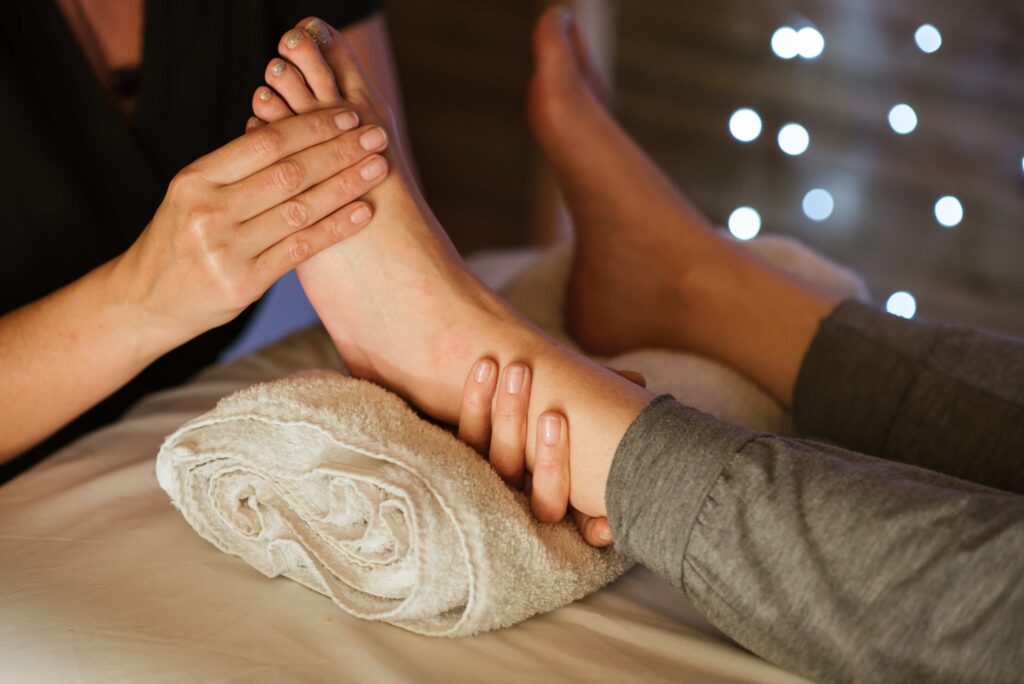
Reflexology is a type of massage that involves applying different amounts of pressure to the feet, hands, and ears. It’s based on a theory that these body parts are connected to certain organs and body systems.
Embracing the holistic nature of reflexology, this therapy is suitable for everyone – catering to the diverse needs of adults, children, and seniors.
Book an appointment to start your journey to improved health and well-being. I look forward to hearing from you.
Discover the ancient art of reflexology in my blog, as we explore the benefits, history, and techniques for holistic wellness.

Reflexology for Anxiety and Stress Learn more about the benefits of reflexology for anxiety and how this holistic


Reflexology for Pregnancy While reflexology is not a cure-all, it can be a helpful complementary therapy for pregnant
Reflexology for Headaches While there are a variety of over-the-counter and prescription medications available to help relieve headache
Your first session will start with the completion of a detailed and confidential medical case history.
If you’re considering a reflexology session, you might be wondering what to expect. Reflexology is a type of massage that focuses on pressure points in the hands, feet, and ears. By applying pressure to these points, reflexologists can help to relieve tension and improve circulation throughout the body. A typical reflexology session lasts for 30-60 minutes, during which the therapist will work on one or more areas of the body. The therapist may use both hands to massage the area or may alternate between hands and feet. You should expect to feel relaxed and even sleepy during and after the session. Some people also report feeling more energetic and having improved moods following a reflexology session. If you’re looking for a way to relax and rejuvenate, reflexology may be right for you.
The amount of pressure that is applied can vary depending on the individual’s preferences, but it should never be so intense that it causes pain. If you do experience any pain during reflexology, your practitioner will adjust the pressure accordingly. In most cases, any discomfort will dissipate quickly and you will be able to enjoy the full benefits of the treatment.
Maximum benefits are achieved with a course of between four and six treatments, which can be administered on either weekly or bi-weekly basis. If the condition is serious or acute we recommend using this treatment frequency for maximum results.
Personal details give therapist a general picture of the client’s health. They serve as a guideline for treatments and inform the therapist of any contraindications. Pre-medical history and lifestyle could be causing ill health being experienced.
People of all ages can benefit from reflexology.
While anyone can benefit from reflexology, it is particularly helpful for those who are unable to receive traditional massage due to medical conditions or physical limitations. For these people, reflexology can provide much-needed relief from pain and discomfort.
Many people confuse Reflexology with Massage. There are many differences between these two modalities – each having its own strengths, application, techniques and educational requirements, for example. Massage is performed to the soft tissues of the body. Reflexology is performed on the feet, hands or ears. Only shoes and socks are removed. Massage and reflexology involve different training and techniques. A reflexologist doesn’t diagnose or prescribe.
No. Reflexologists do not work with a treatment orientation; rather they are oriented to revitalizing the whole body and supporting the body in its own healing process.
No, a reflexologist cannot diagnose. A medical doctor should be consulted to get a diagnosis.
Call me or send me an email if you have any queries, or if you would like to make a booking.